
How TON Can Grow — The Obstacles That Need to Be Removed
Why TON’s growth has slowed — and what must change to unleash innovation, competition, and real adoption.
By Hipo Team Published 3 min read

After two years of building Hipo on TON, we’ve seen both its potential and its pain points. This post shares our honest reflections on what TON needs to truly grow — not from theory, but from experience.
We’ve been building Hipo on the TON ecosystem for more than two years. During this time, we’ve learned a lot — not only about the technology but also about what helps (and limits) growth. These are not criticisms from the outside but observations from a project deeply invested in TON’s success.
Why TON Hasn’t Grown Like Other Layer-1s
TON has incredible potential — powerful technology, deep Telegram integration, and a massive user base waiting to be activated. Yet, its growth hasn’t matched that potential.
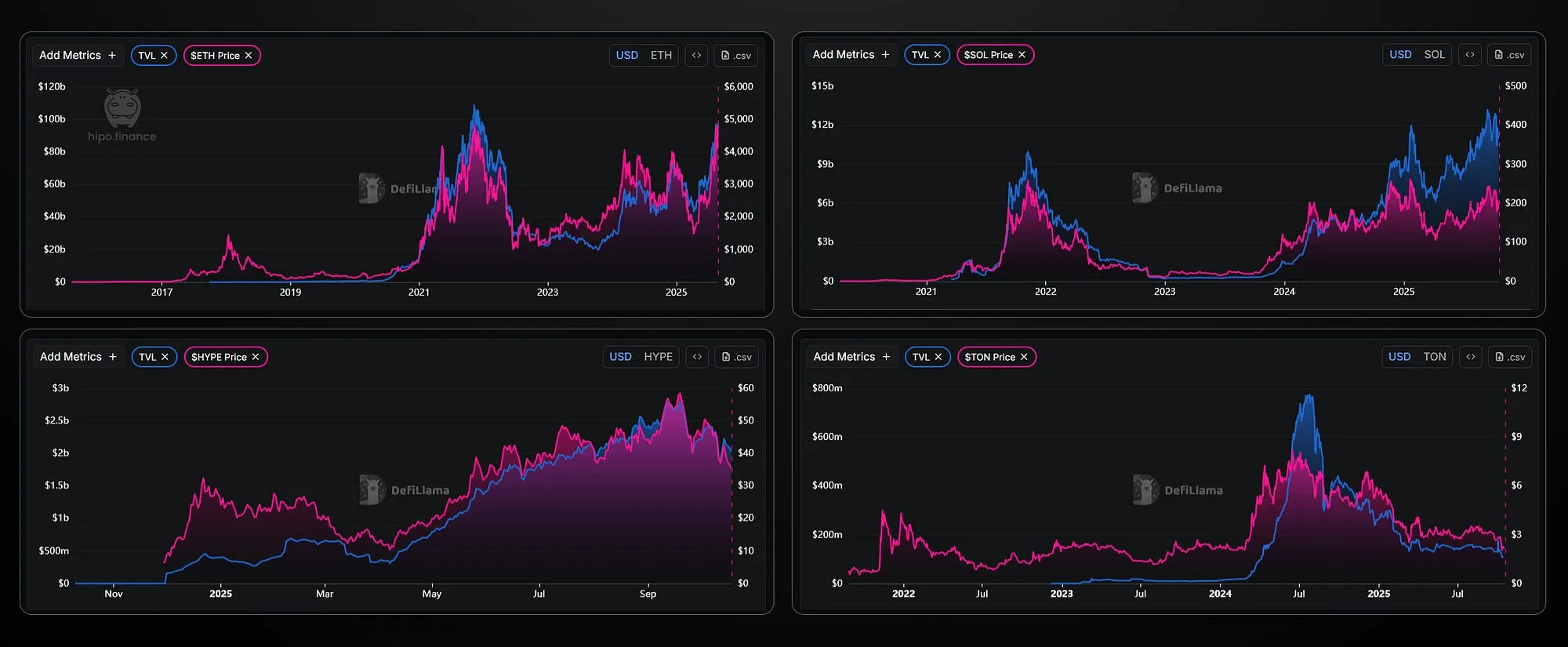
When we look at ecosystems like Ethereum, Solana, or Hyperliquid, one clear pattern appears:
The size of a Layer-1’s market cap directly follows the growth of its DeFi TVL (Total Value Locked).
Simply put — for effective and sustainable growth, focusing on DeFi is a proven path. By making DeFi a priority on TON and creating an environment where it can truly grow, the entire ecosystem will follow.
How Can DeFi on TON Grow?
The simple answer: through innovation.
Innovation can’t be bought — it has to be nurtured. That happens when the environment attracts builders and supports open, fair competition where creativity can thrive.
Talented teams will only build on TON if they see it as a place where they can grow, compete fairly, and reach users without artificial barriers. If they feel blocked or limited, they’ll move elsewhere — and the ecosystem’s potential will stay locked.
So the most important mission for TON’s ecosystem leaders and decision-makers is clear:
Remove the obstacles that prevent healthy competition.
A Case Study: The Liquid Staking Market
One of the most practical examples comes from our own experience in the liquid staking segment.
Currently, Tonkeeper — one of the main wallets and entry points for TON users — has an exclusive partnership with one liquid staking provider.
This means that when users open Tonkeeper, they only see one staking option. Other protocols, including Hipo, are effectively invisible to most users.
If we think of Tonkeeper as TON’s “App Store,” this setup is like the App Store showing only one messaging app — WhatsApp — while hiding Telegram.
That kind of closed environment hurts everyone:
- Users, who lose access to better options,
- Developers, who lose incentive to innovate, and
- The ecosystem, which loses diversity and long-term growth.
Why Neutrality Matters
Wallets are not just apps — they are infrastructure. And infrastructure must be neutral and inclusive to build trust and sustainability.
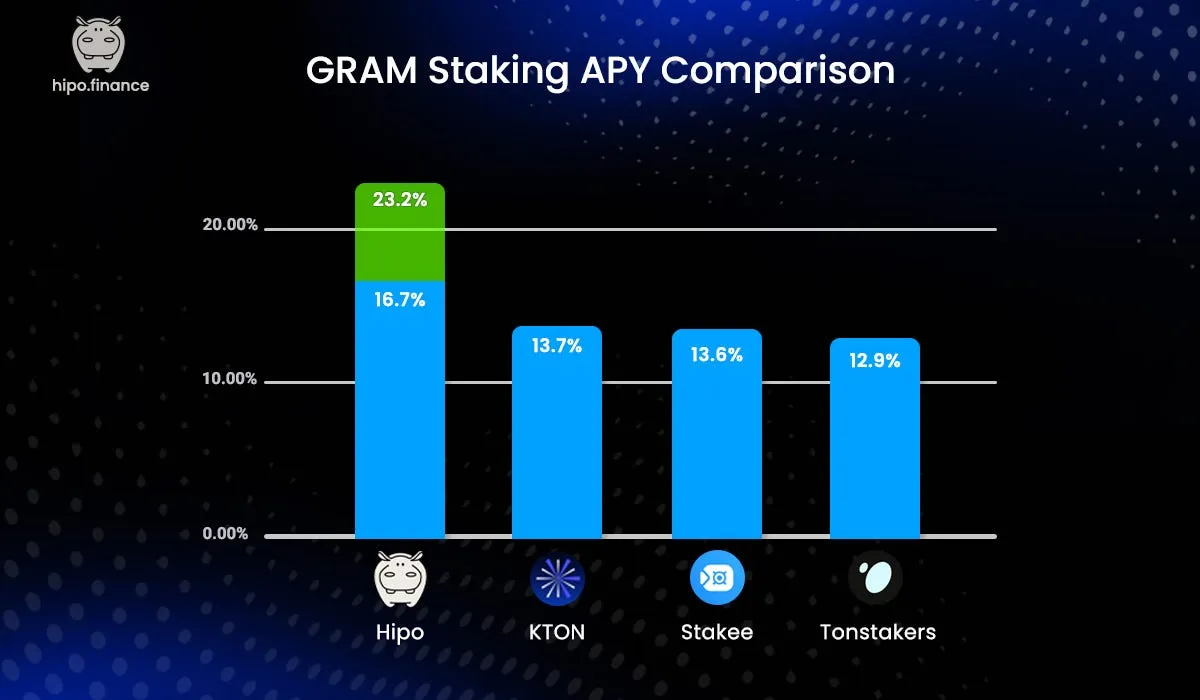
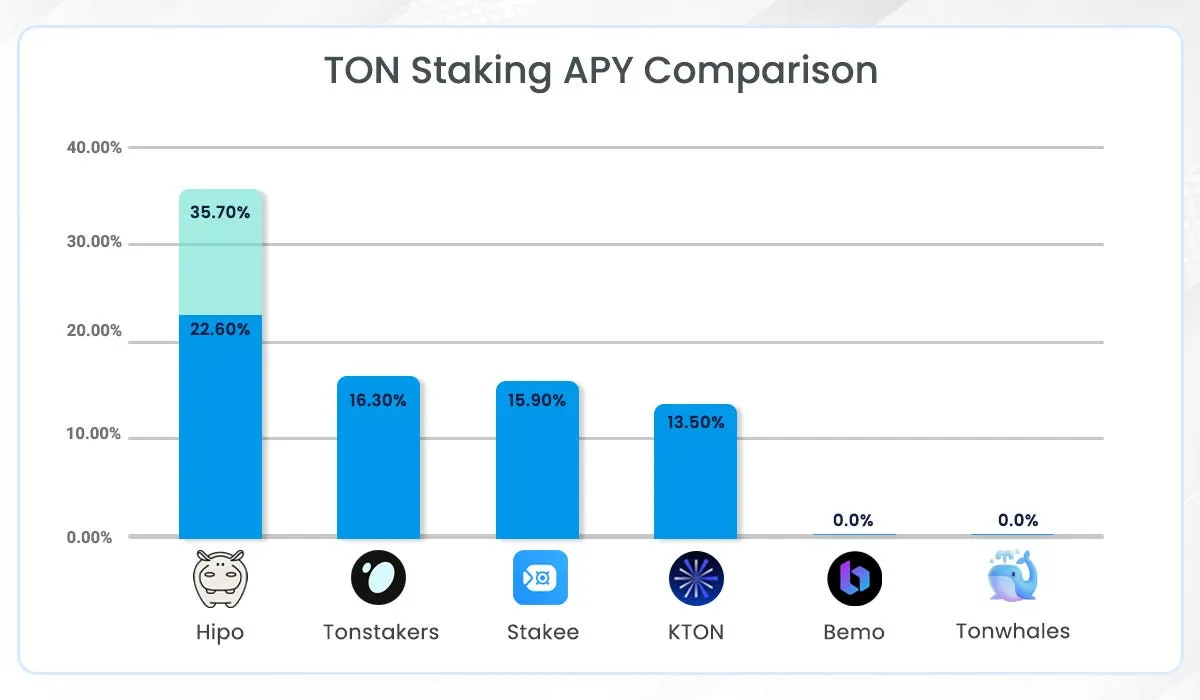
Here’s a look at user data from different liquid staking options — only Tonstakers has grown consistently, mainly because of their exclusive placement in Tonkeeper. This exclusivity blocks organic growth for everyone else.
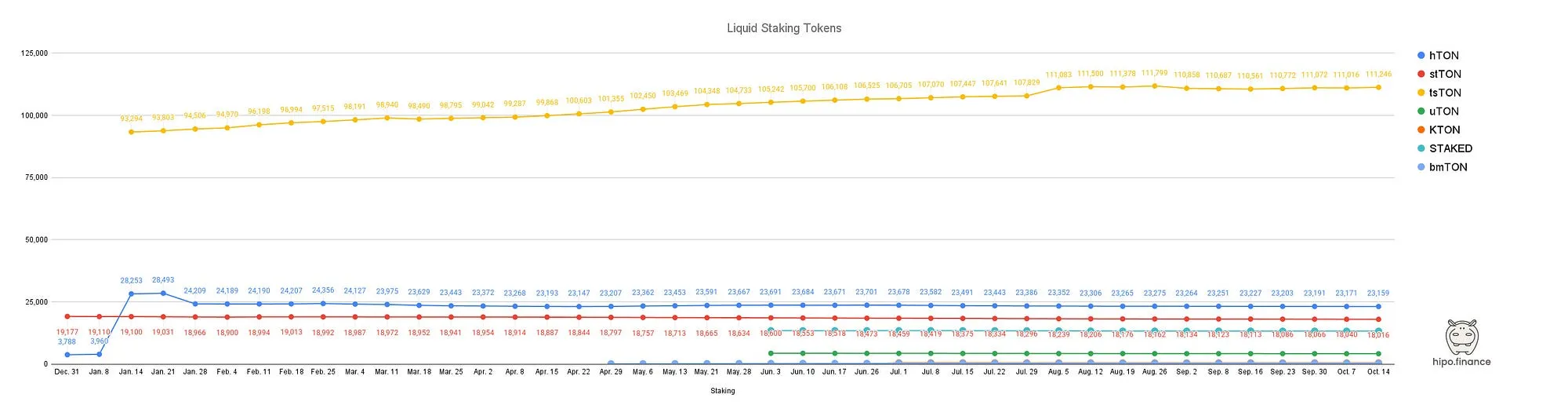
We understand that wallets like Tonkeeper need revenue and partnerships. That’s completely fair. But exclusivity is not the answer.
Instead, wallets can support open marketplaces — giving users visibility and choice across multiple DeFi protocols. When competition is open and fair, the best products rise naturally — and the ecosystem wins together.
The Path Forward
TON has everything it needs to become one of the leading blockchains in the world:
- Technology that scales
- A massive Telegram user base
- A passionate community
But to unlock that potential, TON must commit to openness and fair competition.
TON should ensure that every builder — small or big — has a fair chance to grow, and every user has the freedom to choose.
The ecosystem should encourage and reward openness, support projects that contribute to decentralization, and avoid exclusive partnerships, especially in infrastructure layers.
If TON removes the obstacles to a truly open market, it won’t just grow — it will thrive.